Mark Darrah is a true BioWare veteran, having worked at the studio for 24 years before to shepherd over the finish line. Darrah is now freelance once more, and has been using some of his time to post YouTube videos about both the company's history and future in what he calls "."
Darrah's latest video, however, has another subject: The more toxic elements of videogame fandom, which are much more of an issue for developers than some players might think. In a 2023 GDC survey of game developers, said abuse from players was a problem and, if we're being honest, we've all seen some people go way OTT at developers online. The problem feels even more pronounced at the bigger-budget end of the industry, where certain folk seem to feel that, if they've paid their money, that entitles them to open season on the people who made it.
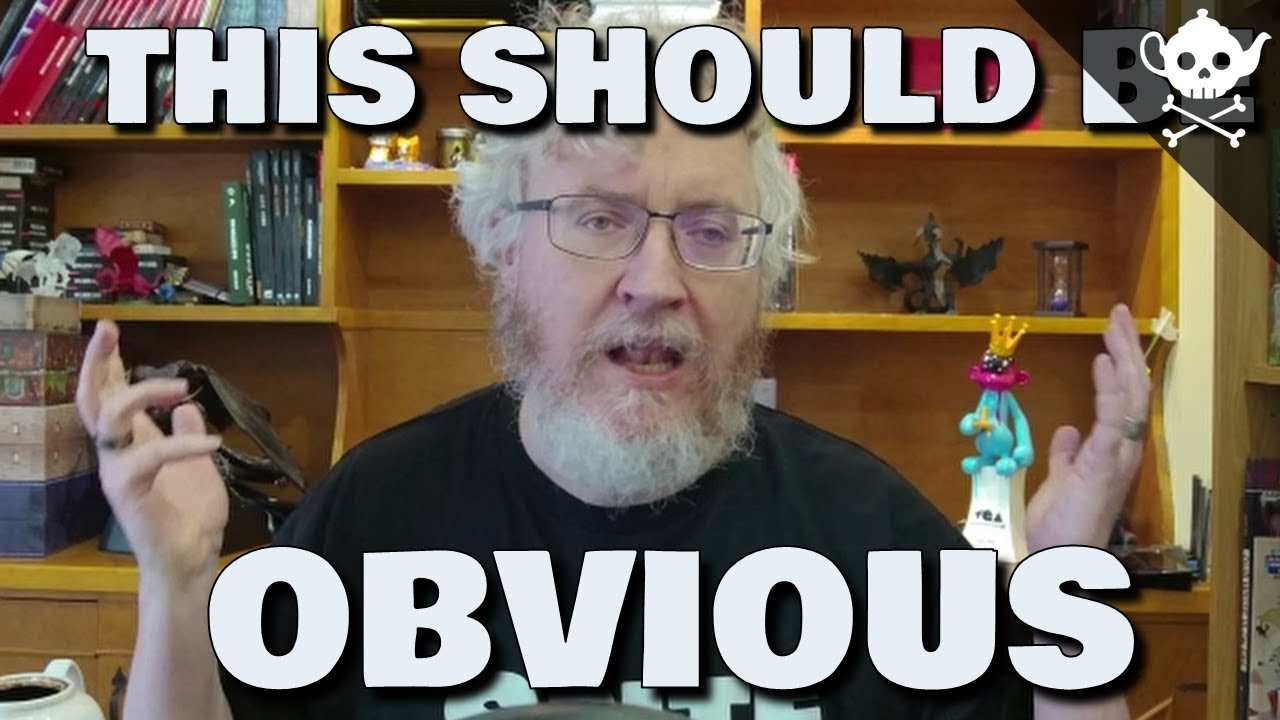
There's also the fact that, whatever someone dislikes about a game, pinning that on one individual or even a group of devs is just wild, and betrays a total ignorance of how these massive projects are brought-together. "All of this isn't to say that you aren't allowed to have your own opinions to not like the things you don't like," says Darrah. "It's specifically to point out that you being angry at a specific person, you attacking a specific person is often misdirected."
Darrah even accepts that, as someone who's held an executive producer role on the likes of Anthem, he's a fairer target for some of this สล็อตฟรี ire: Better for those in leadership roles to get an unpleasant complaint or message than some junior designer who probably had nothing to do with the decision-making that led to the issue. Which leads on to a point that, again, seems obvious but doesn't seem to be understood by many.
"Be aware that this stuff is carefully scrutinized," says Darrah, referring to complaints and feedback, even the screeching kind. "Not just by the social media teams, also by the teams themselves. Arguably, in a lot of cases, to too great of a degree. The team is listening, I would say, often too much to what you're yelling about and complaining about."
Darrah has a particular and understandable bugbear about the kind of fans who grave-dance when layoffs are announced. "When you celebrate layoffs at a studio because the game that you don't like didn't do that well," says Darrah, "you're crossing a line into being cruel, and fundamentally, you should have more grace for other human beings."
That's probably what prompted Darrah to make the video in the first place. Following the lukewarm commercial reception of Dragon Age: the Veilguard, publisher EA last month, including veterans of both the Dragon Age and Mass Effect series. Reports suggest that was either let go or re-assigned elsewhere within EA's studio structure, leaving a skeleton team working on the next Mass Effect.
The layoffs at BioWare felt like EA was gutting a studio because it had no idea what to do with it: The boots on the ground paying the price for poor leadership, as is sadly the case in most industries. This is a view shared by some in games including Michael Douse, publishing director of Baldur's Gate 3 developer Larian Studios, for abandoning that "institutional knowledge" in favour of "cost cutting in the most brutal sense. It's always people lower down the food chain that suffer, when it's clearly strategy higher up the food chain that's causing the problem."
As Douse says: "On a pirate ship, they'd toss the captain overboard."
"You are entitled to your opinion," ends Darrah. "You are entitled to be angry about a game that you bought—you paid good money for it. But try to remember that it's just a game. Even more importantly, when you are expressing your complaints, stay away from cruelty. Stay away from targeting individual people, stay away from trying to cause harm, stay away from celebrating harm done to actual human beings ... when you are personally attacking individual devs, you are crossing a line, and you're probably attacking the wrong person anyway."